Injection moulding and contract manufacturing capabilities.
Nagoya delivers precision injection moulding, cleanroom moulding, secondary processing and assembly for OEMs in the medical device & IVD, automotive, aerospace and electronic & electrical industries. Our capabilities combine 113 moulding machines from 40T to 650T, an ISO Class 8 moulding cleanroom and certified quality systems for medical, automotive and aerospace on one integrated campus in northern Malaysia, built for programmes that demand traceability, consistency and room to grow.
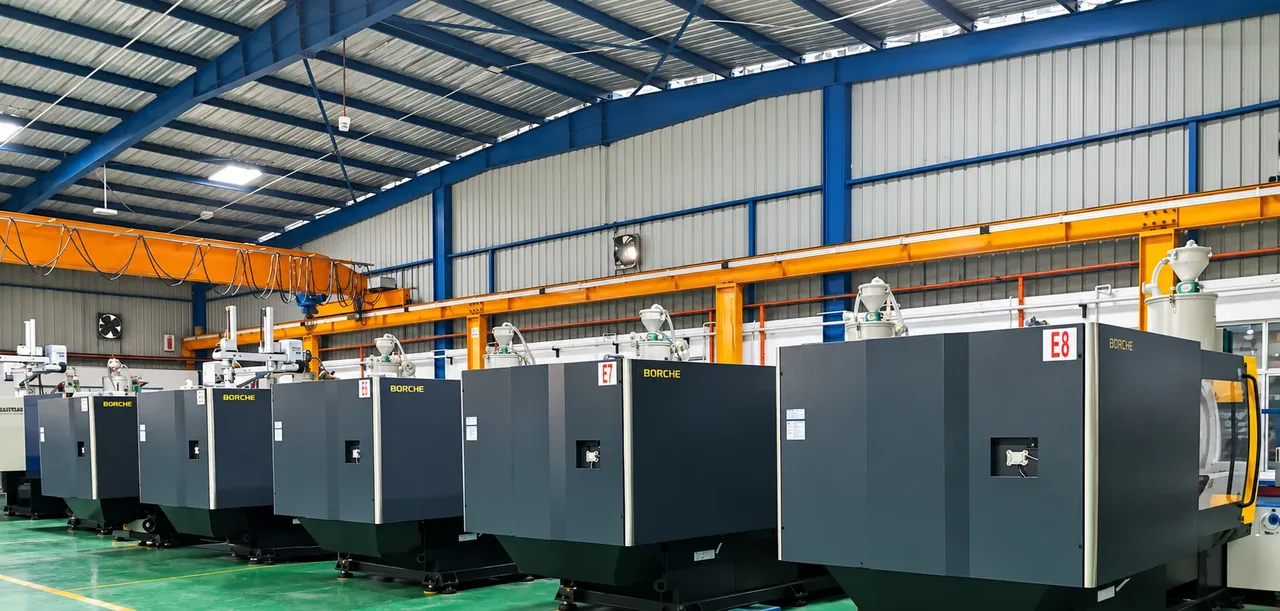
113 injection moulding machines, from 40T to 650T.
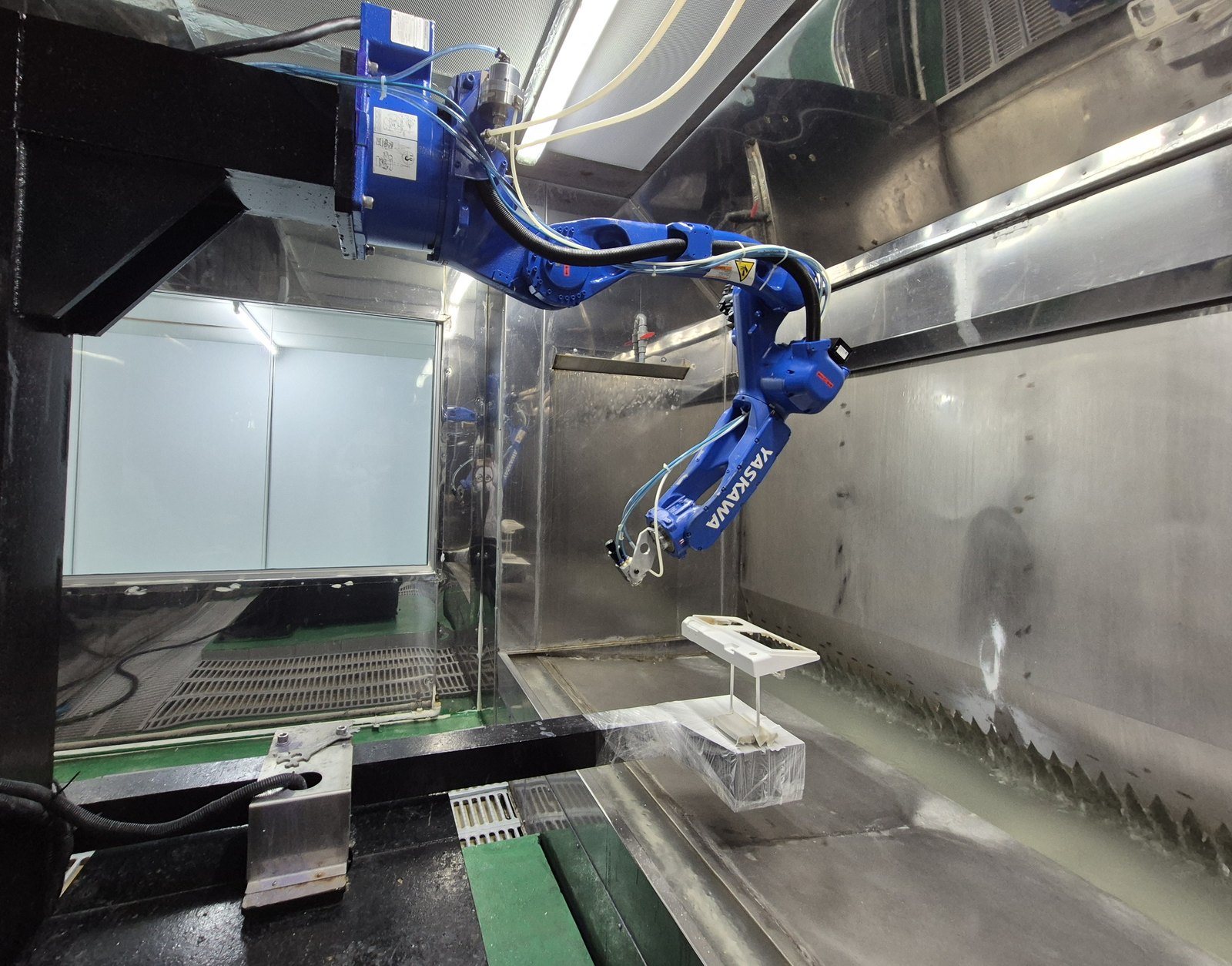
Precision injection moulding has been the foundation of Nagoya since 1991. Our 113 machines, from 40T to 650T, span the full range from small, tight-tolerance components to large housings and structural parts, with robot-arm automation on our production lines for consistent cycles and repeatable quality.
We match the process to the part: single-shot, two-shot (2K), insert and overmoulding, vertical moulding and liquid silicone rubber (LSR), with ISO Class 8 cleanroom moulding for medical device and diagnostics programmes. Every programme runs under a certified quality system, with process validation, in-house metrology and traceability from resin batch to finished lot.
The result is moulding you can plan around: the same part, to the same standard, run after run.
A full machine schedule by tonnage, make and cavity capability is provided at RFQ stage.
Moulding processes
- Single-shot moulding
- Two-shot (2K) moulding
- Insert moulding
- Overmoulding
- Vertical moulding
- Liquid silicone rubber (LSR) moulding
- ISO Class 8 cleanroom injection moulding
- Robot-arm automated cells
- Automated insert-nut placement
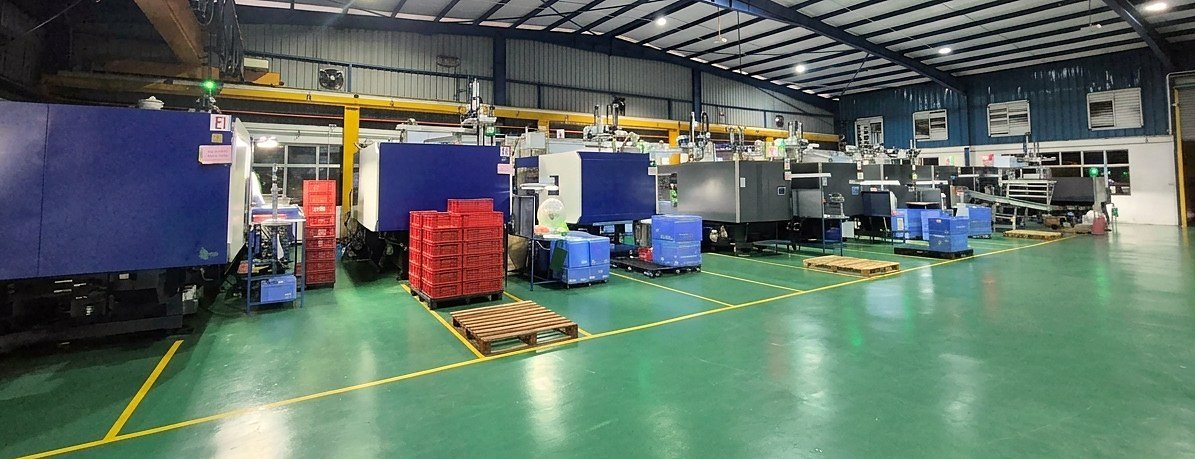
Small-part precision
Selected machines are specified with AA screws for reduced shot size, for materials sensitive to residence time.
Core production band
The largest share of the fleet, covering the majority of medical, automotive and electronics programmes.
Large-part capability
Larger housings, covers and structural mouldings that need higher clamp force.
The process. The equipment. The possibilities.
See how each process works, and how we can support your component.
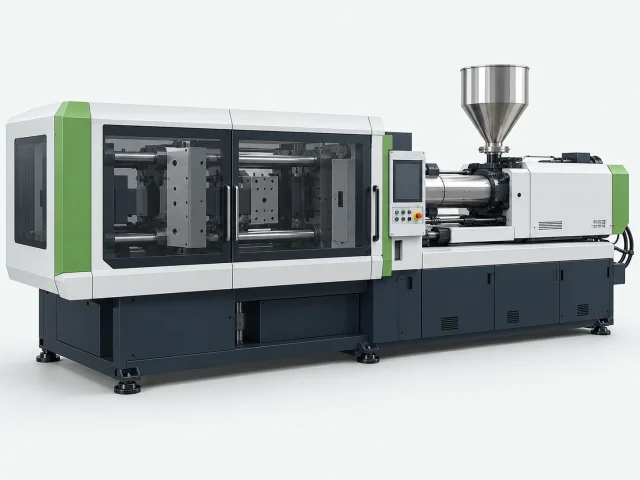
Single-shot moulding
One plastic material is injected into a mould to form the component. We review material, part geometry and appearance requirements, then define the moulding and inspection approach.
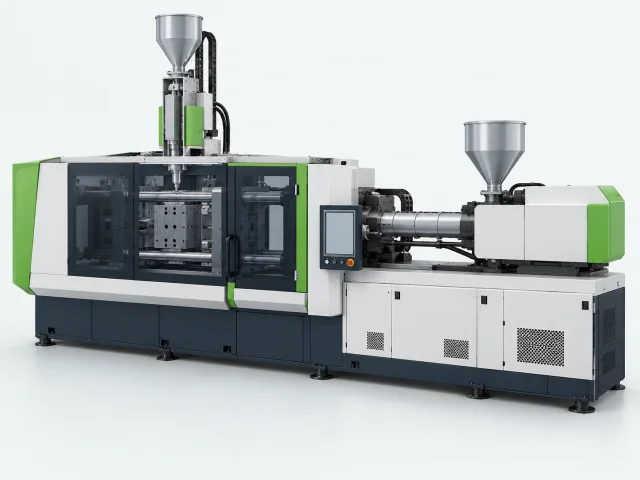
Two-shot & overmoulding
Combine two materials or mould a second layer over an existing part. We review material compatibility, the interface between layers and the features to be formed.
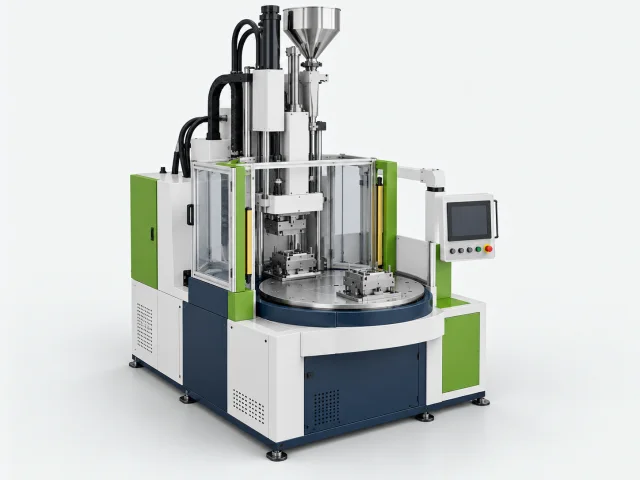
Insert & vertical moulding
Position an insert in the mould, then mould plastic around it. We plan insert positioning, retention and handling, with inspection after moulding.
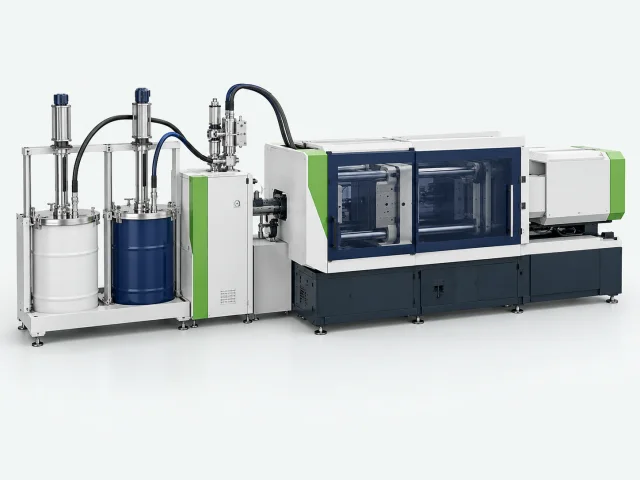
LSR moulding
Meter and mix two liquid silicone components, then inject them into a heated mould to cure. Discuss silicone part requirements and tooling with our team.
Illustrations explain equipment types. The machine, tooling and process are selected to suit your project.
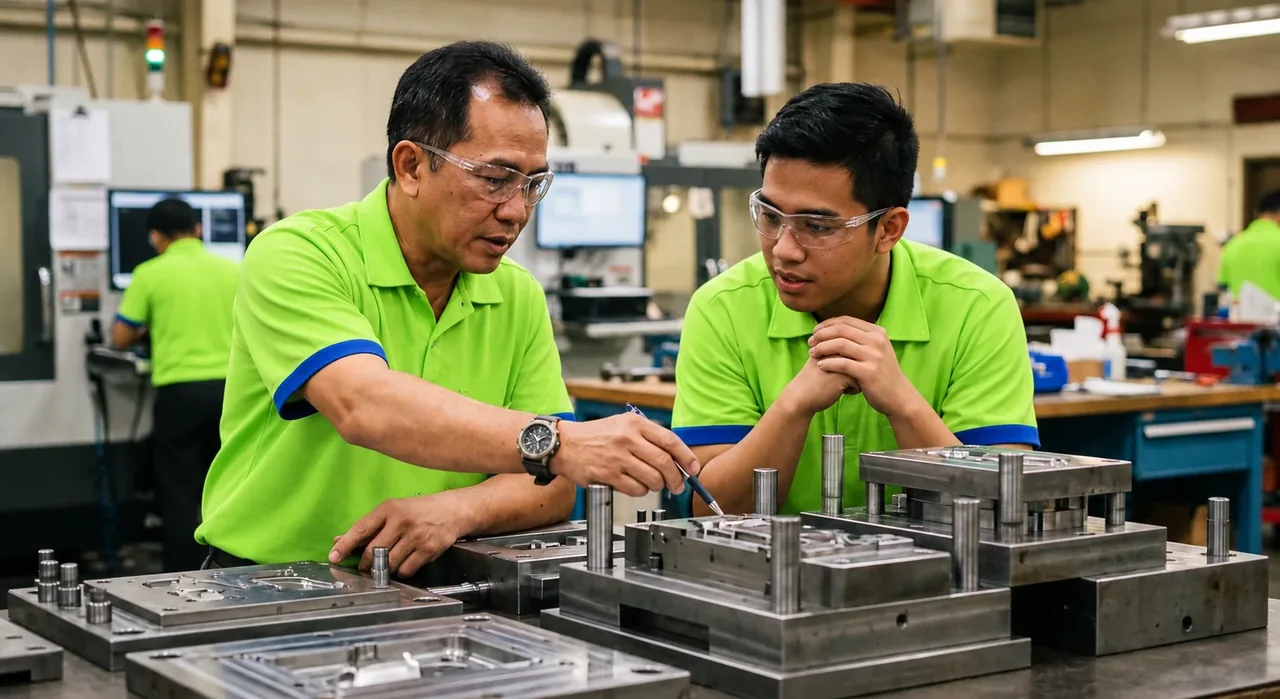
Designed and approved by Nagoya. Fabricated by qualified partners.
Tool design, specification and approval are managed by Nagoya. Fabrication is carried out by long-term strategic tooling partners in Malaysia and China, qualified under our supplier qualification programme.
Tool maintenance is performed in-house, and we support the inbound transfer of customer-owned tooling from another site.
Finishing, marking and assembly, coordinated with moulding.
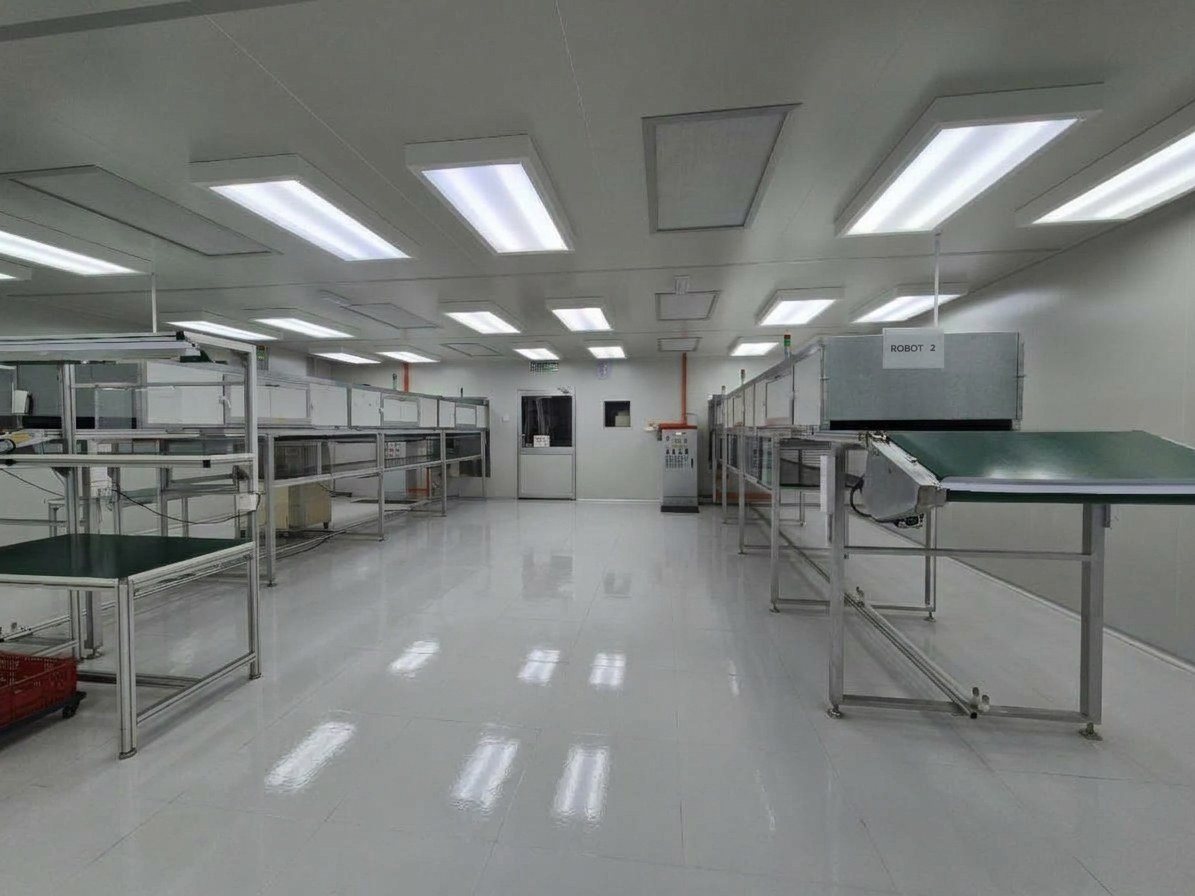
Robotic and spindle spray coating in ISO Class 7 spray cleanrooms with automated colour-consistency control; screen, pad and rotary printing; laser cutting, etching and Data Matrix Code marking; and assembly and box-build with leak, static-load, push-pull and torque testing.
Assembly today is carried out outside a classified cleanroom. ISO Class 8 cleanroom assembly and packaging for medical device and IVD programmes is targeted for qualification in Q2 2027.
Plastic materials we mould, from commodity to high-performance.
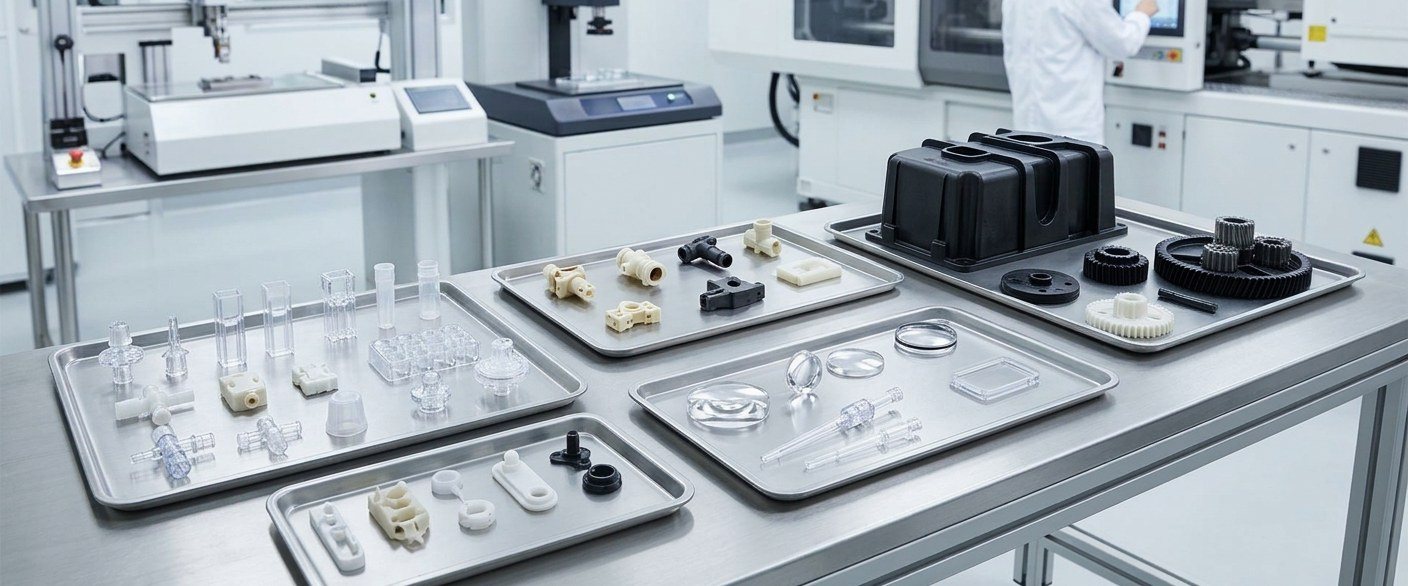
Our injection moulding work spans four regulated industries, and each asks something different of the polymer: biocompatibility for medical devices, optical clarity for lenses and diagnostic consumables, heat and chemical resistance for demanding environments, and strength and dimensional stability for structural and electrical parts.
Medical & biocompatible
PP, PC, PVC, DEHP-free PVC, LSR, TPE, TPU, TPV, K-Resin, PMMA, ABS, LDPE, HDPE, TPS-SEBS, EVA
High-performance & specialty
PESU, LCP, PPS, PVDF — for high-temperature, autoclavable and chemically resistant applications
Engineering & structural
ASA, PC-ABS, PBT, POM, glass-filled nylon — for dimensional stability, strength and electrical performance
Optically clear
COC, MABS, PMMA, PC — for sight windows, optical components and diagnostic consumables
Approved grades for a specific programme are confirmed at RFQ stage. We can also source and qualify new materials against your requirement.
NPI and technology transfer, from first drawing to serial production.
Whether you are launching a new product or moving an existing one from another site, it follows the same five-stage route: a confidentiality agreement first, design-for-manufacture feedback to your engineers, tooling approved against first-article data, validation to our routine or your protocol, and a controlled handover to serial production. Each stage has defined entry conditions, deliverables and named ownership, so you always know where your programme stands, who is responsible and what comes next.
Engage
Confidentiality agreement, programme scoping, capability and capacity assessment against your specification.
Design for manufacture
DFM and DFA review against drawings and 3D data, material and tooling strategy, cost driver identification.
Tooling & first article
Tool design by Nagoya, partner fabrication, T1 sampling, dimensional first-article inspection and your approval before pilot.
Validation
Process validation against agreed requirements, with documented results and approval before serial production.
Transfer to production
Pilot build, process capability confirmation, control plan release, operator qualification and handover to serial production.
Moving an existing product?
The same stages apply, with tool transfer-in, process re-qualification and comparative first-article data in place of new tool design. Existing customer tooling is received, assessed and maintained in-house.
Specialist processes, delivered by qualified partners under our quality system.
Every partner is qualified, monitored and audited under our supplier qualification programme, so specialist work meets the same quality and supply commitments as our own production. Records and quality agreements are available at supplier qualification.
| Activity | Nagoya’s role | Partner’s role |
|---|---|---|
| Mould tool fabrication | Design, specification, approval, in-house maintenance and inbound tool transfer. We monitor each tooling partner’s build quality and delivery against the agreed schedule under our certified quality management system, from tool kick-off to T1 approval. | Tool fabrication by long-term tooling partners in Malaysia and China. |
| Printed circuit board assemblies | Integration of finished PCBAs into electromechanical sub-assemblies and complete box-build products. We inspect incoming PCBAs and track each supplier’s quality and on-time delivery under our certified quality management system. | Supply of completed PCBAs; bare-board assembly is not performed in-house. |
| Sterilization | Management of the sterilization validation project; validation documentation made available to you. We monitor the partner’s treatment records, quality and turnaround under our certified quality management system. | Execution of validation and sterilization treatment by a qualified partner. |
| Micro-precision moulding & custom extrusion | Programme management and supplier oversight, under one programme and one point of contact. We monitor the partner’s quality and delivery performance under our certified quality management system. | Specialist manufacturing; neither process is performed in-house. |
Help us understand your project.
Share your drawings, volumes and timeline under a confidentiality agreement (CDA), and we will assess capability and capacity against your specification.
Your product
Application, drawing or 3D model, material preference, and any critical dimensions or cosmetic requirements.
Your programme
Estimated annual demand, production timing, target market, and whether this is a new tool or an existing tool transfer.
Your manufacturing scope
Moulding, coating, printing, marking, assembly, packaging, and the inspection or validation documents you require.
Let’s build what comes next.
Share your drawings, volumes and timeline under a confidentiality agreement (CDA), and we will assess capability and capacity against your specification.